History
The road to the compute of the future
Four decades from a physicist's thought experiment to a market in the making.
1980 — 1994 · The idea
A new kind of machine
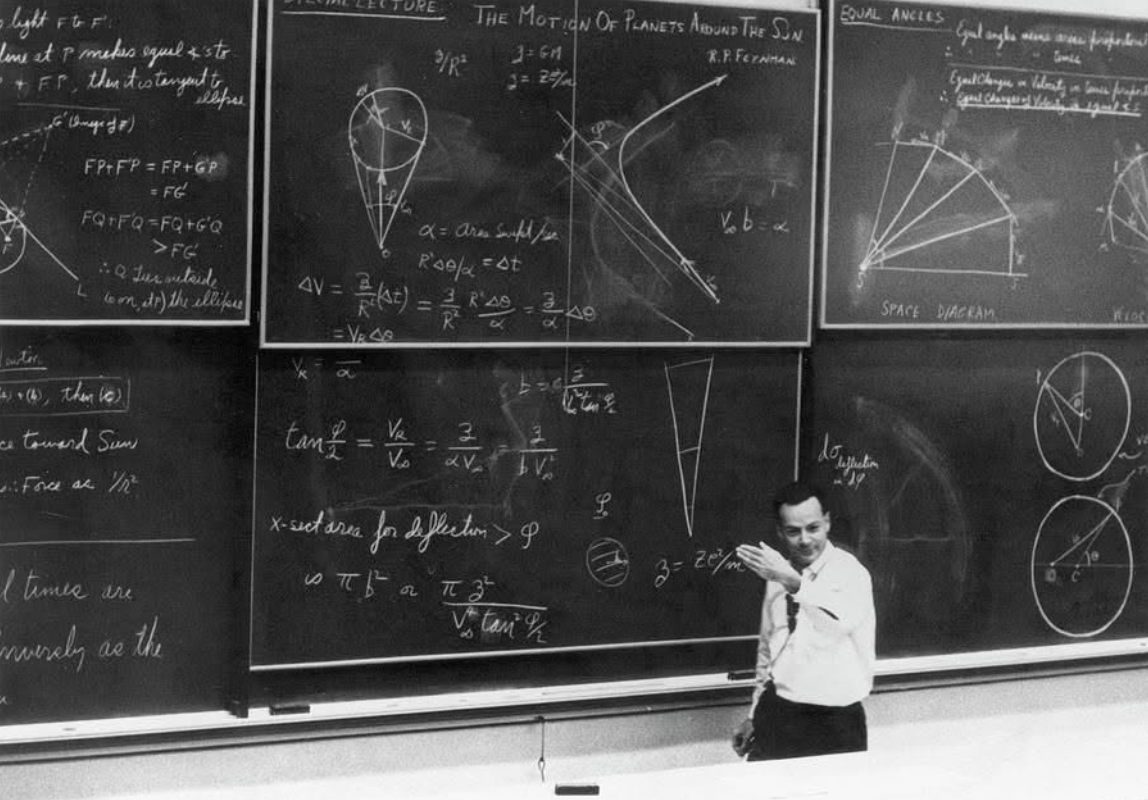
Richard Feynman argued that to simulate nature you need a computer that obeys quantum mechanics. A decade later, Shor's algorithm showed such a machine could break problems classical computers never could — turning a thought experiment into a race.
2019 · Proof it works
Beyond classical
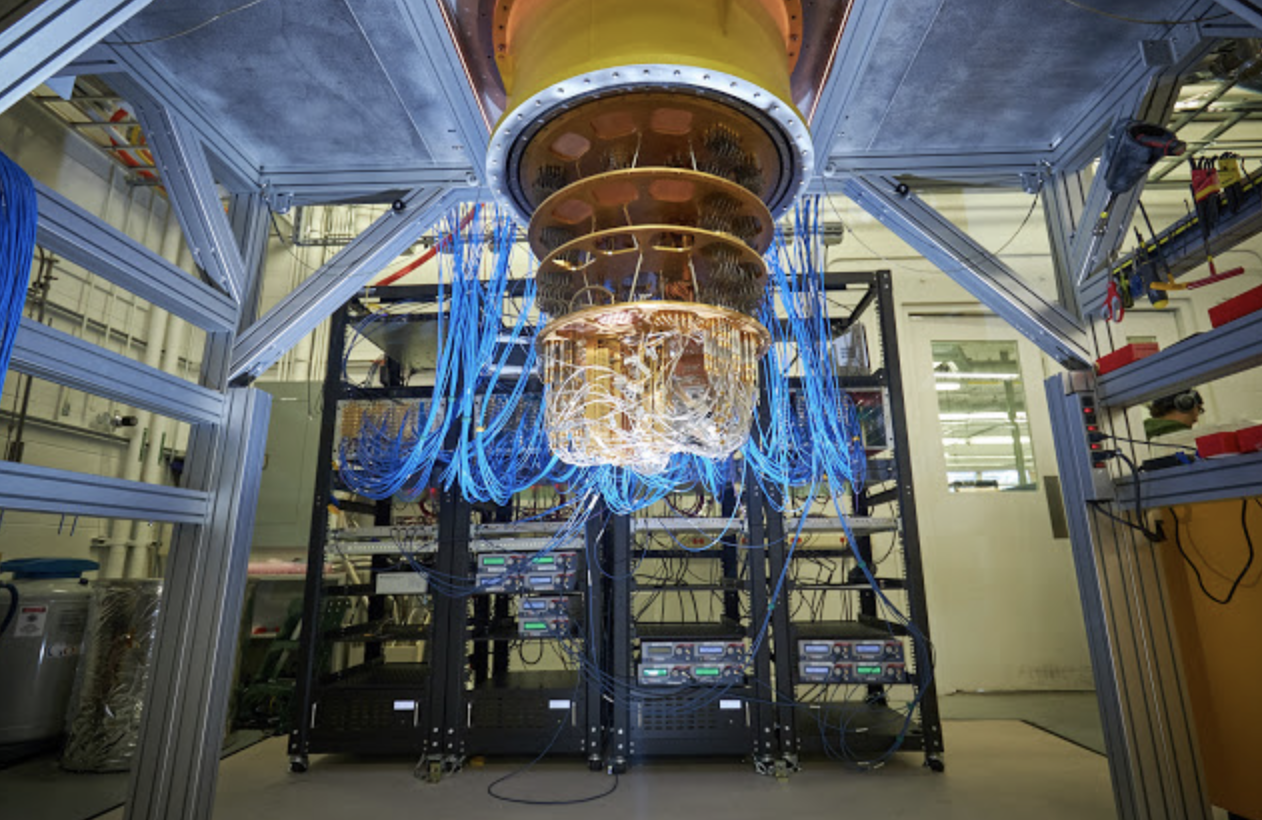
Google ran a computation on a 53-qubit processor that the fastest supercomputers couldn't practically match. The NISQ era began: real quantum hardware, noisy but useful, available to researchers worldwide.
2025 — Today · The market forms
Compute you can rent
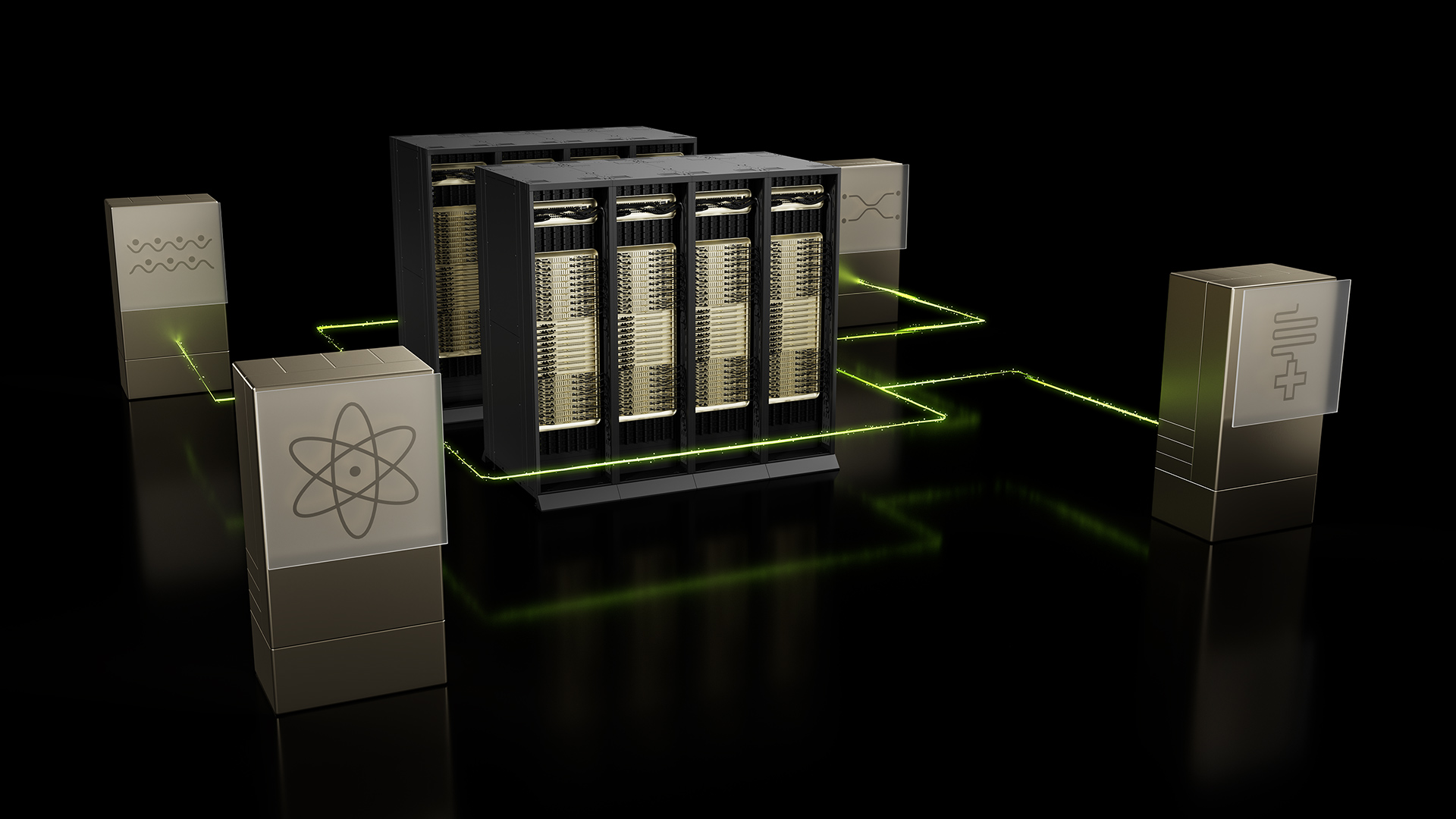
Quantum-cloud providers offer access to different machines using different billing units and capability measures. Comparing those offers remains difficult because pricing and hardware characteristics are not standardized.
2027 — 2035 · The future
The compute of the future
As fault-tolerant machines arrive, quantum advantage reaches drug discovery, materials, cryptography and risk modeling — and the first quantum-internet links begin connecting these machines into a secure, distributed network. Compute becomes a tradable commodity, and the world needs an index to price it. That's what we're building.
A technology this important deserves a market.
Quantum compute will reshape medicine, materials, finance and security. We give it the financial layer to grow.